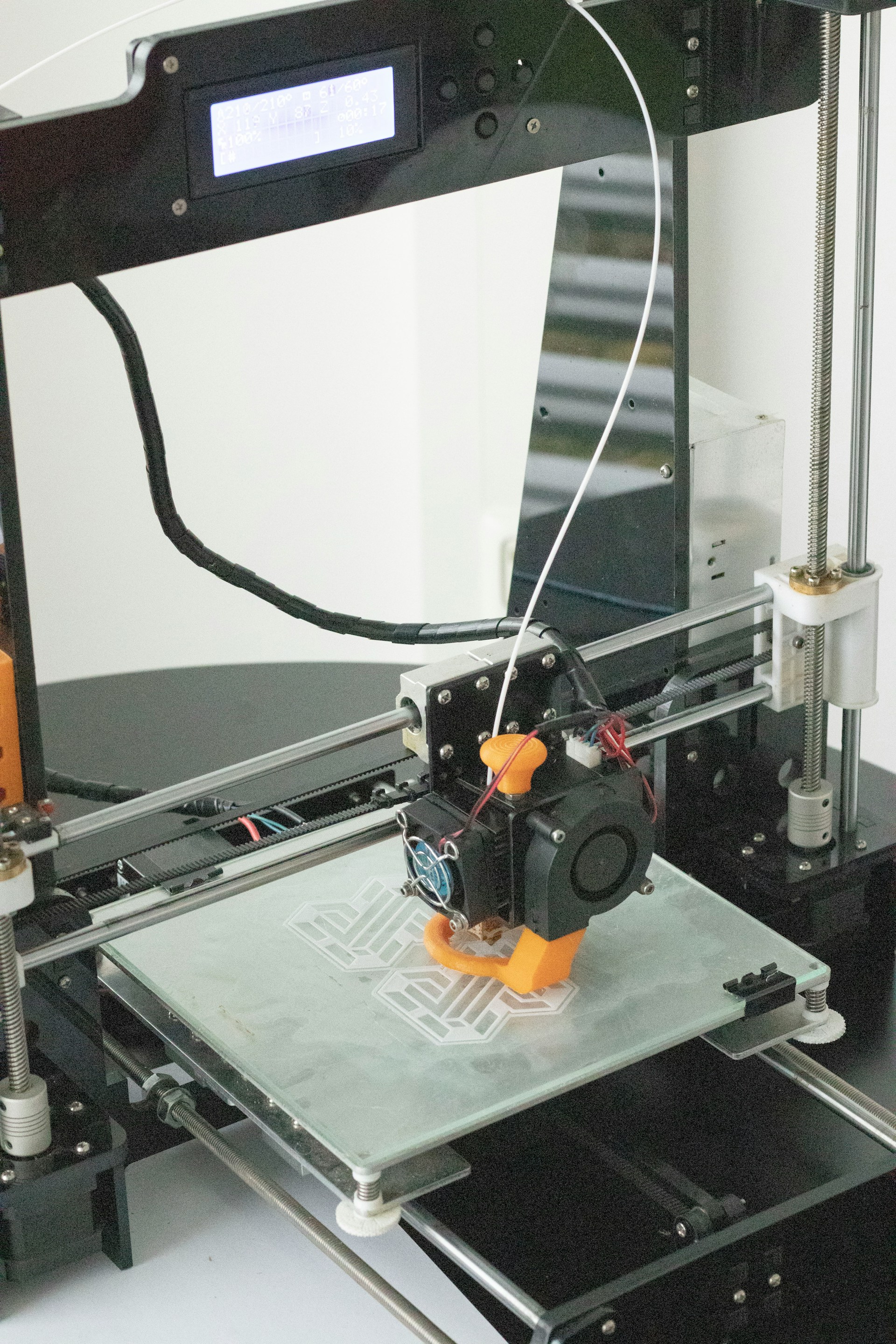
3D printing began in the early 1980s, with pioneers like Dr. Hideo Kodama and Chuck Hull laying the foundation for the additive manufacturing revolution.
The history of the 3D printer traces back to 1981, when Dr. Hideo Kodama first described a layer-by-layer rapid prototyping method using UV-cured photopolymers. Although he did not secure a patent, his work introduced the core concept behind modern additive manufacturing. In 1984, Chuck Hull successfully patented stereolithography (SLA), becoming widely recognized as the inventor of the first functional 3D printer. His company, 3D Systems, released the SLA-1 in 1987, marking the beginning of commercial 3D printing. Soon after, additional technologies emerged: Selective Laser Sintering (SLS) in 1988 and Fused Deposition Modeling (FDM) in 1989, each expanding the materials and methods available for creating 3D objects.
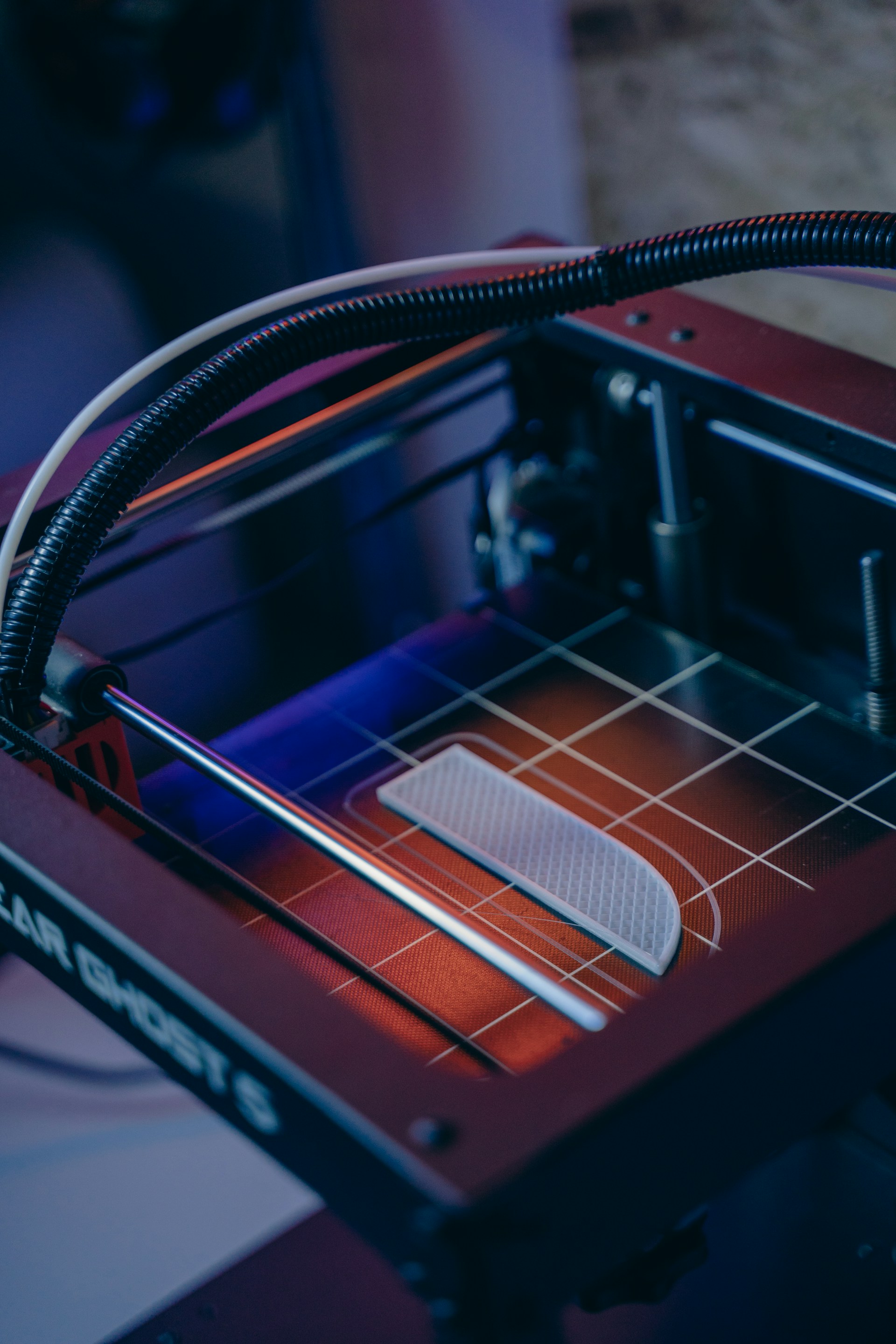
By the 1990s and 2000s, 3D printing evolved from an industrial prototyping tool into a rapidly democratizing technology. The RepRap Project, launched in 2005, introduced the first open-source, self-replicating 3D printer, inspiring a wave of affordable consumer machines. When key FDM patents expired in 2009, companies like Makerbot accelerated the spread of low-cost desktop printers, making 3D printing accessible to hobbyists, educators, and small businesses. Today, 3D printing spans fields such as medicine, aerospace, architecture, and art, with advancements in metal printing, bioprinting, and high-speed multi-material systems continuing to push the boundaries of what additive manufacturing can achieve.